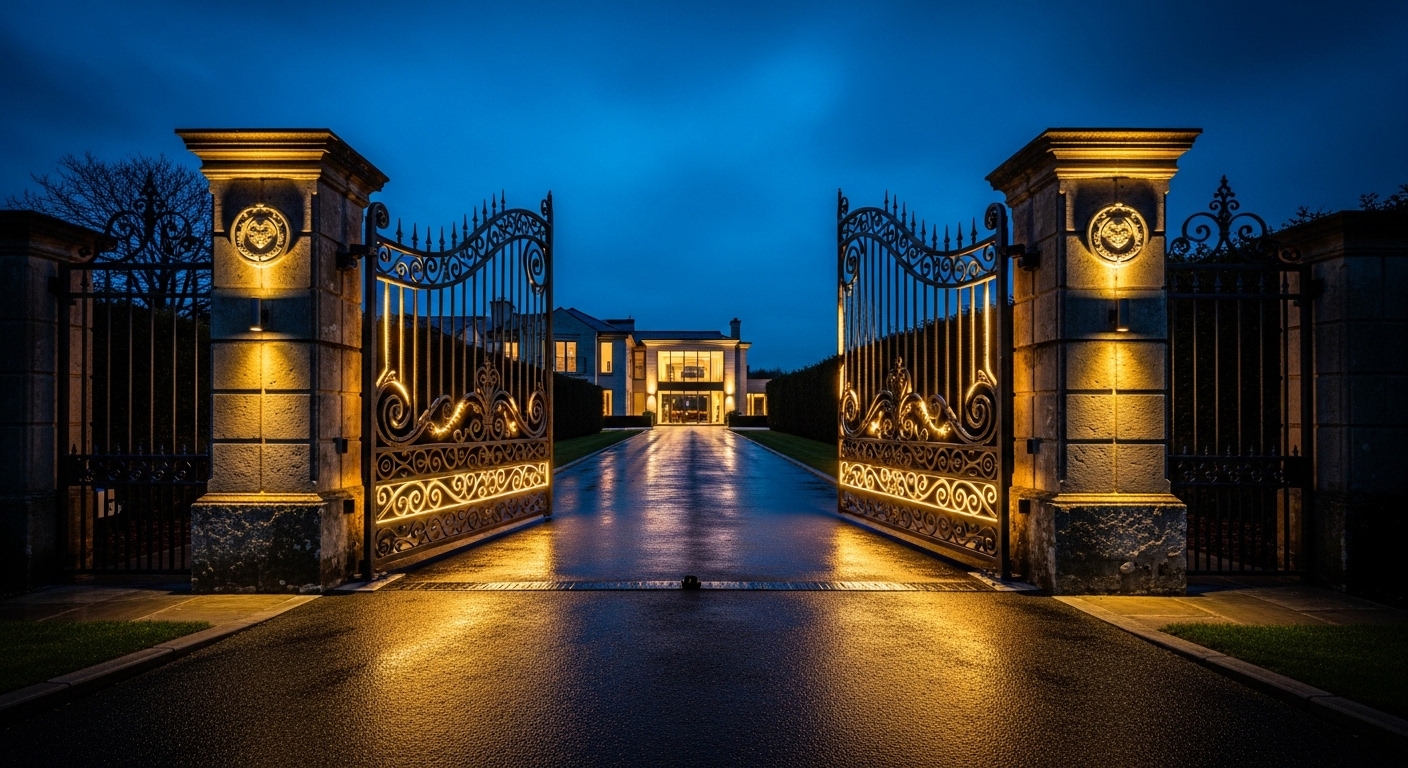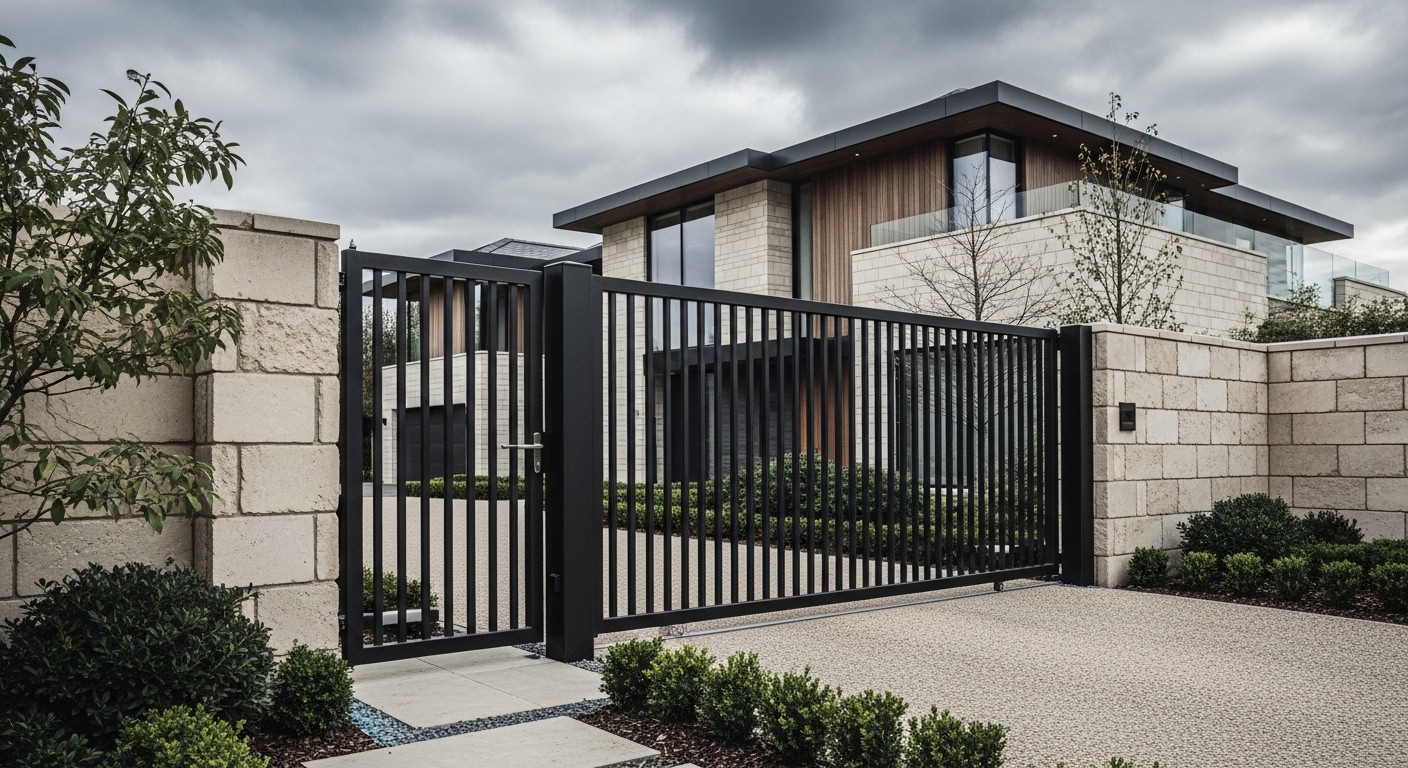
The material you choose for your driveway gate affects everything about it: how it looks on day one, how it looks after ten years, how much work it takes to keep it that way, how much it costs to buy and install, and how well it does its core job of securing your property. There is no single material that wins on every measure.
The right choice depends on your property style, your personal taste, your tolerance for maintenance, your budget, and your priorities around security, privacy, and kerb appeal. This guide gives you a detailed, honest assessment of each option.
Hardwood Timber: Warmth, Character, and Privacy
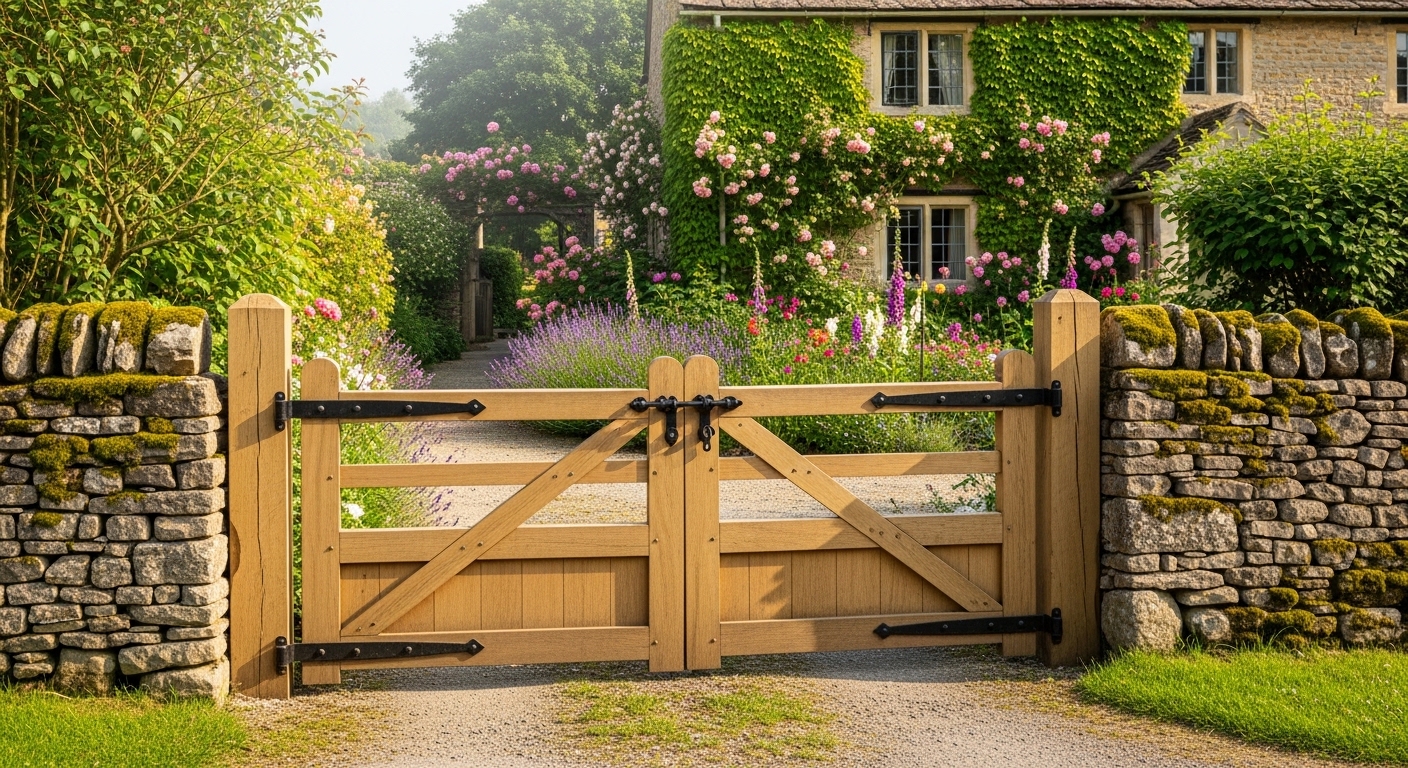
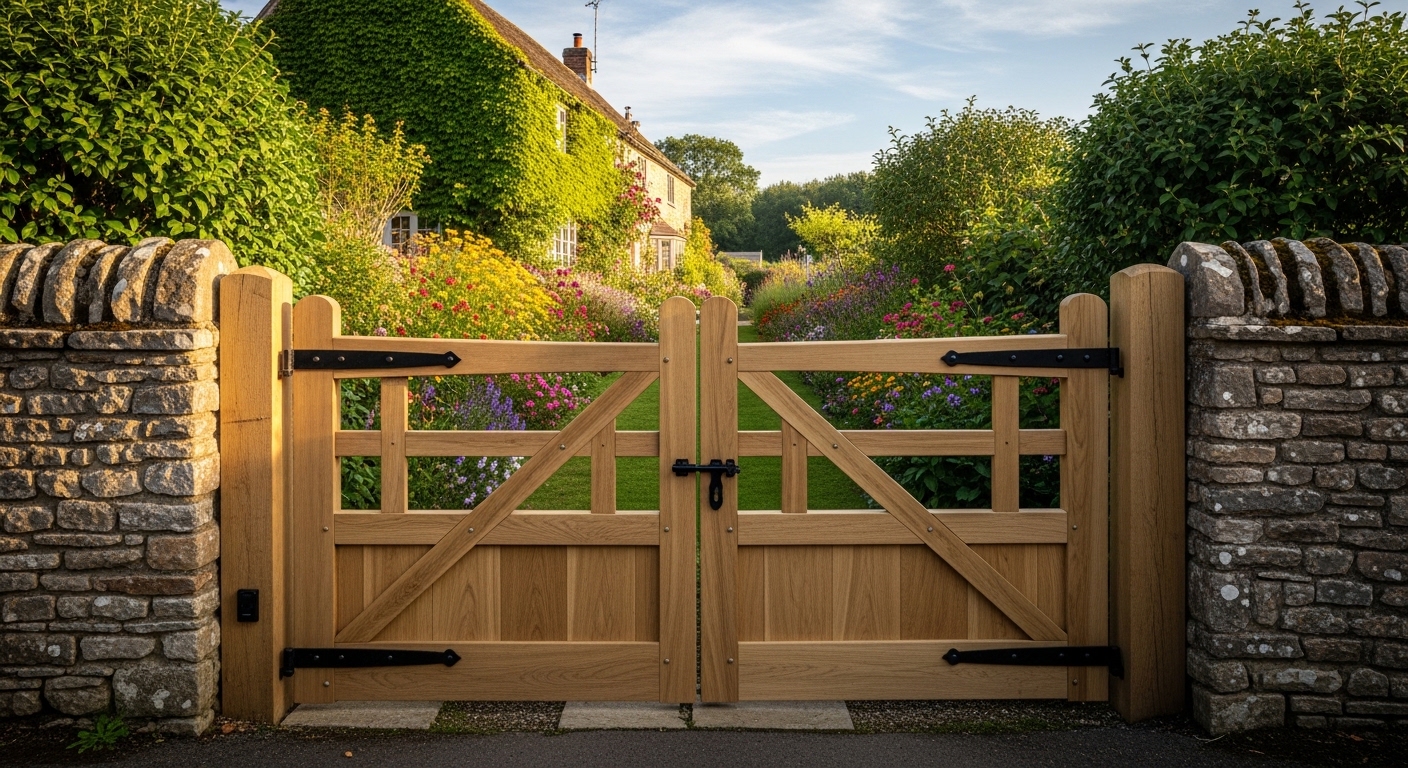
Timber gates offer something no metal can replicate: natural warmth. The grain, colour, and texture of a quality hardwood gate is inherently appealing in a way that powder-coated steel or aluminium simply cannot match. For period properties in London, a well-made timber gate sits naturally within the streetscape.
Hardwoods such as iroko and European oak are strong, structurally rigid, and durable in the British climate when properly maintained. A solid tongue-and-groove hardwood gate also provides the best privacy of any material: no gaps, no sightlines into the garden, and a degree of sound insulation from road noise.
The main trade-off is maintenance. Timber gates need re-oiling or re-staining on a regular cycle, typically every one to two years. Skip the maintenance for a few years and the wood dries out, checks along the grain, and begins to look tired.
Free Matching Service
Ready to get driveway gate quotes?
Get matched with vetted London installers — no obligation, no cost.
Mild Steel: Versatile, Strong, and Long-Lasting
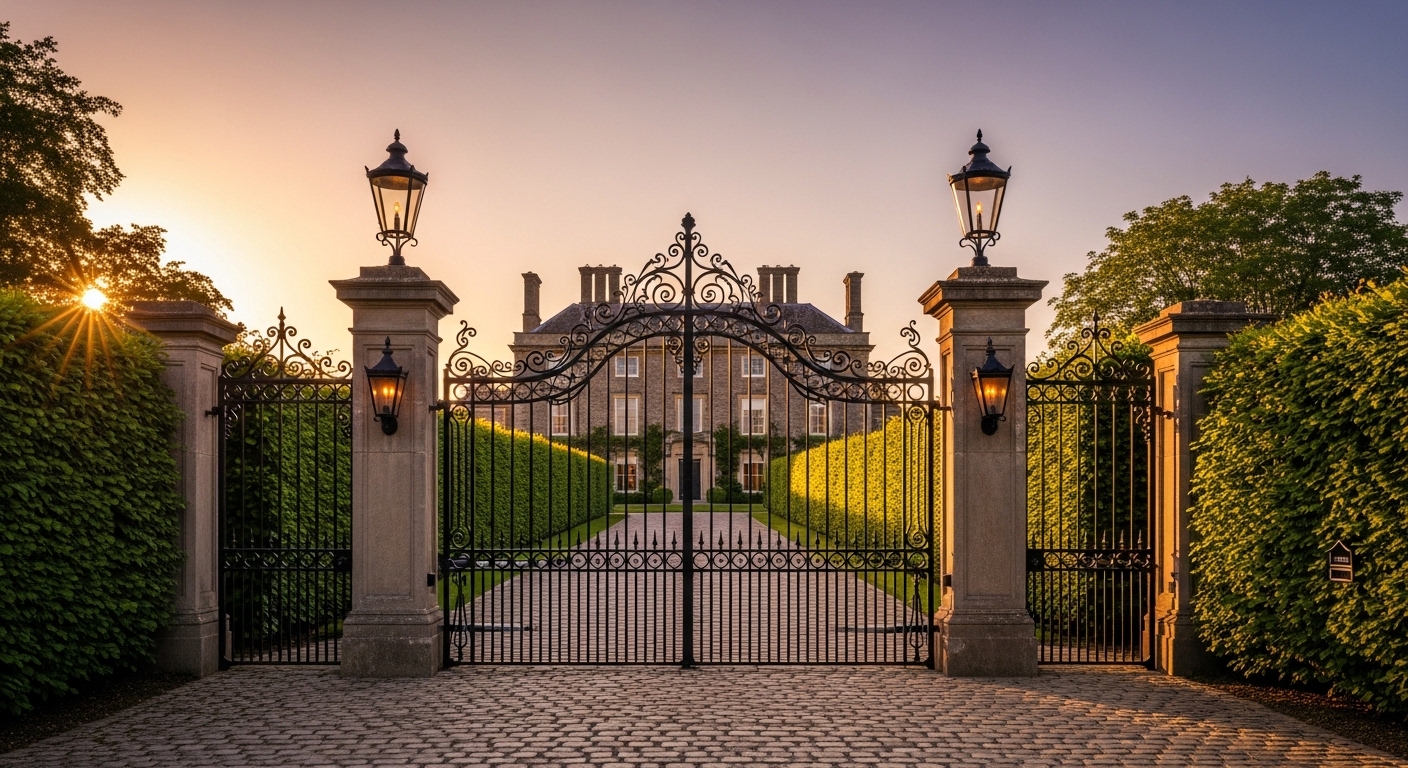
Mild steel is the most versatile metal used in gate fabrication. It can be worked into virtually any design, from the simplest flat-bar contemporary pattern to elaborate traditional scrollwork. Steel gates are inherently strong, present a serious physical barrier, and when properly prepared and coated, they require almost no attention for decades.
The key phrase is "properly prepared." Steel that has not been hot-dip galvanised before powder coating will eventually rust from the inside out. Hot-dip galvanising immerses the entire fabricated gate in molten zinc, coating every surface including welds, joints, and the inside of hollow sections.
Steel gates are heavier than aluminium equivalents, which means they require appropriately rated motors and strong, well-founded posts. The weight also works in your favour from a security perspective: a heavy steel gate is a substantial physical deterrent.
Aluminium: Low Maintenance, Lightweight, and Modern
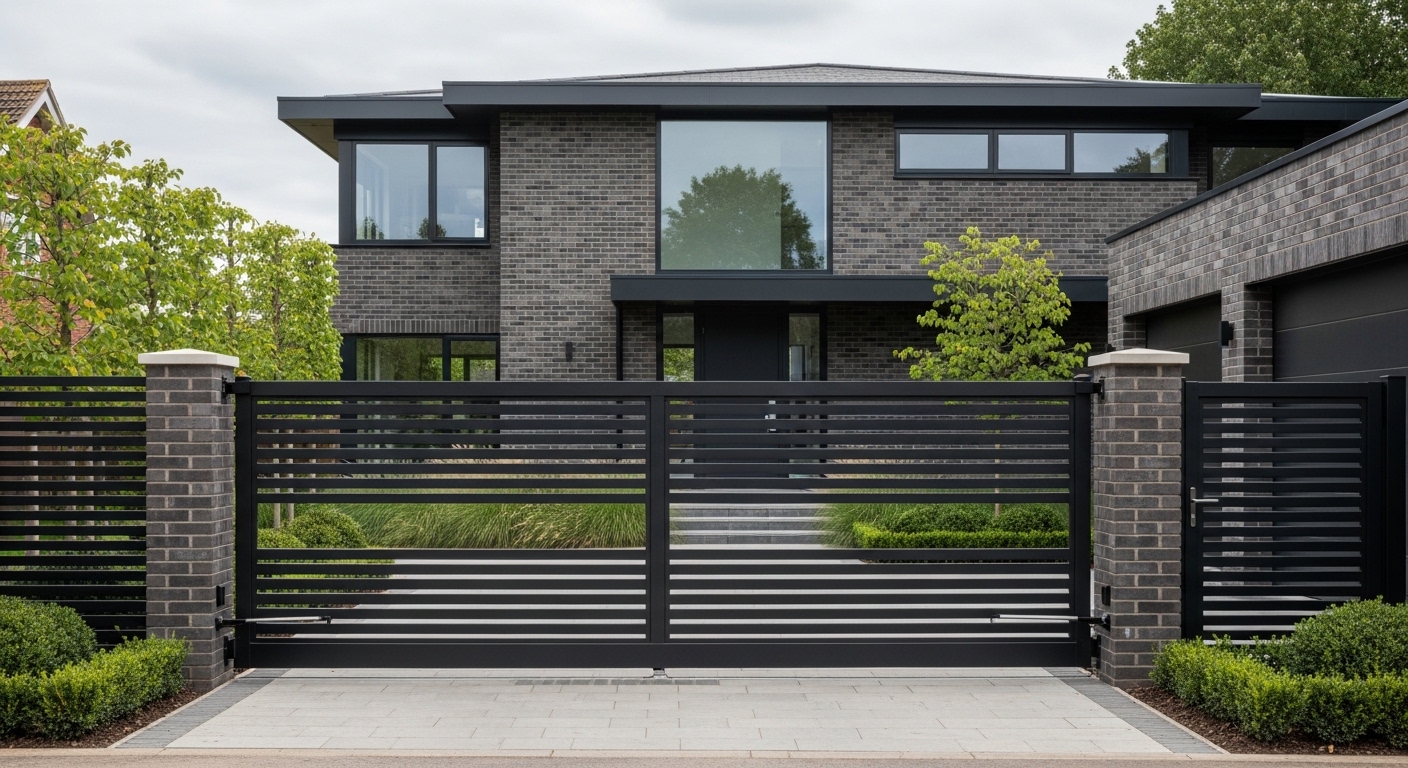
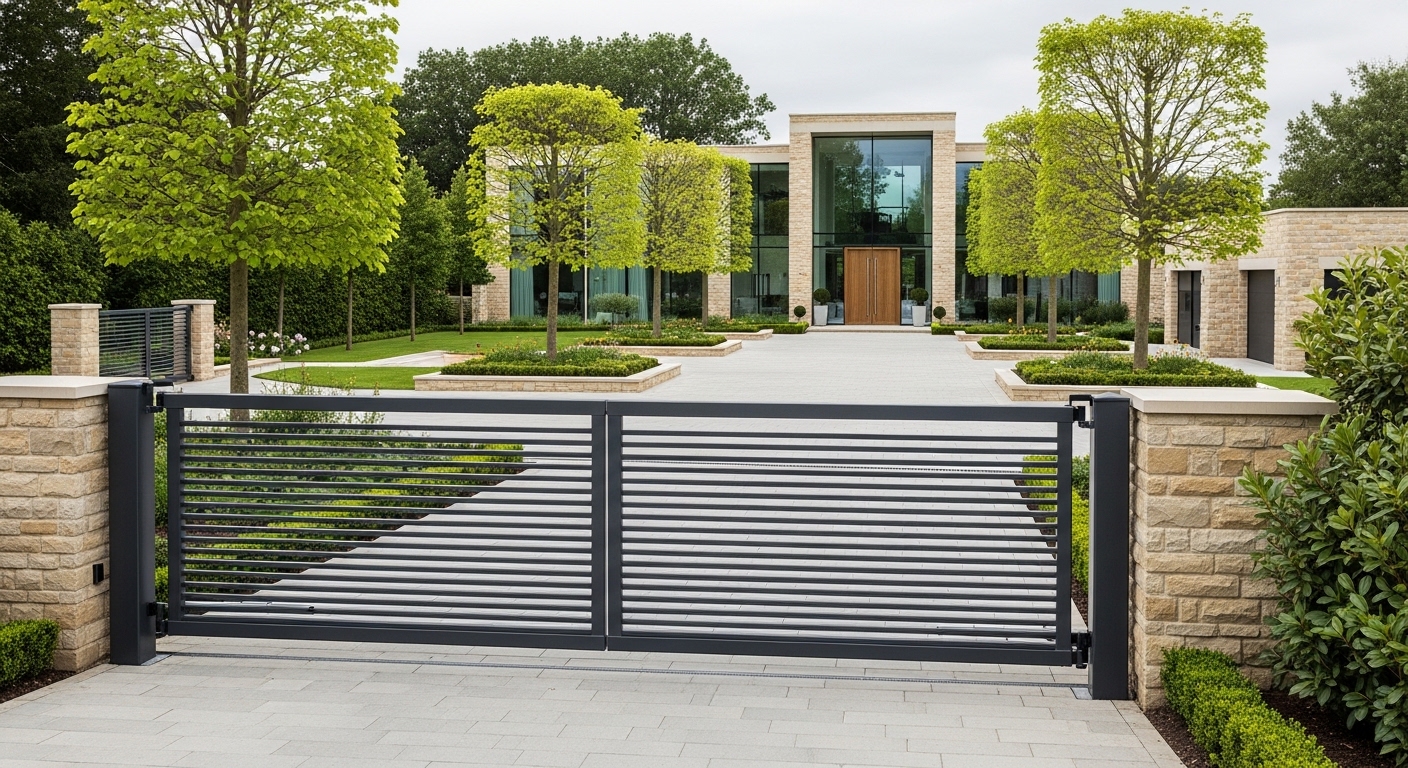
Aluminium has become increasingly popular for London driveway gates over the past decade. It does not rust under any circumstances, even without protective coating, which makes it genuinely low maintenance over its lifetime. It is significantly lighter than steel, which means smaller motors, less strain on posts, and lower installation costs on many projects.
Aluminium gates suit modern and contemporary properties particularly well. Clean horizontal slats, flat bar designs, and minimalist framed panels all work naturally in aluminium and look at home on new-build London properties, converted industrial buildings, and architect-designed extensions.
The trade-off versus steel is strength. Aluminium is not as hard or as impact-resistant as mild steel. For most residential security applications this is not a practical concern, but if absolute maximum forced-entry resistance is your priority, steel wins.
Wrought Iron: Heritage Craftsmanship for Period Properties
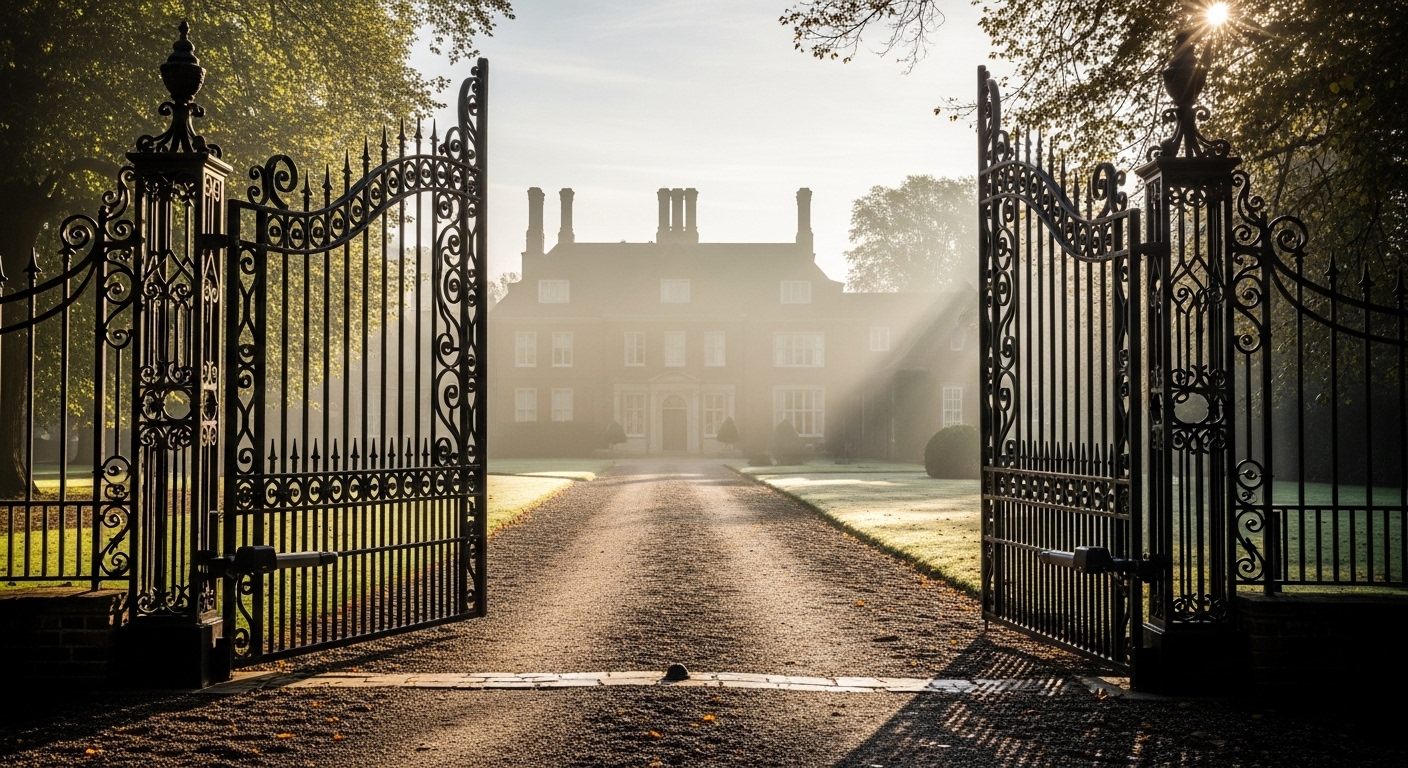
Hand-forged wrought iron sits in a category of its own. Each wrought iron gate is individually crafted by a blacksmith using traditional techniques. The result is a gate with a level of detail, variation, and character that no machine-fabricated product can replicate. Traditional scrollwork, finials, collars, and forged panels give wrought iron gates a presence and authenticity that suits heritage properties.
Wrought iron gates are the premium choice for Georgian, Victorian, and Edwardian properties in London, particularly in conservation areas where design character is under scrutiny from planning officers.
Quick Comparison Summary
- Best for warmth, character, and privacy: hardwood timber (iroko or oak)
- Best for design versatility and maximum security: mild steel with hot-dip galvanising
- Best for low maintenance and contemporary style: aluminium
- Best for heritage and period properties: hand-forged wrought iron
- Lowest upfront cost: aluminium flat-bar or treated softwood timber
- Lowest lifetime cost over 20 years: aluminium or properly galvanised steel
- Highest kerb appeal for period London streets: wrought iron or hardwood timber
The most useful conversation you can have is with an experienced installer during a free site survey. They can show you physical samples, explain how each material has performed on similar London properties, and help you weigh the trade-offs against your specific priorities.