Planning permission is one of the most common concerns London homeowners raise when they start considering driveway gates. The good news is that most residential gate installations do not require a formal planning application. However, there are specific situations where permission is absolutely necessary, and getting it wrong can lead to enforcement action and, in the worst cases, a costly removal order.
This guide covers the national rules, the London-specific complications, and the practical steps you should take before committing to a gate design. It is not a substitute for professional advice on your specific property, but it will give you a solid understanding of where you stand before you pick up the phone to an installer.
The Basic Rule: Permitted Development Rights

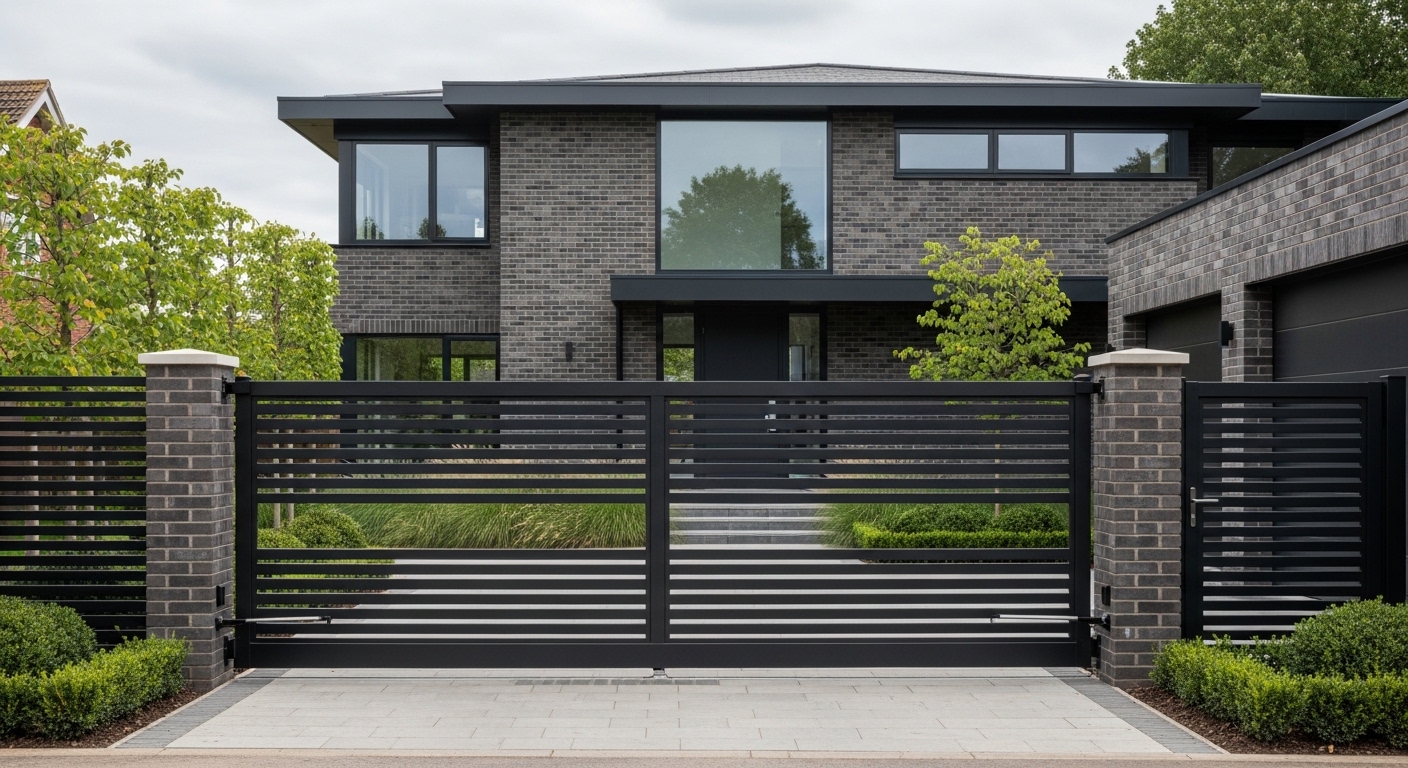
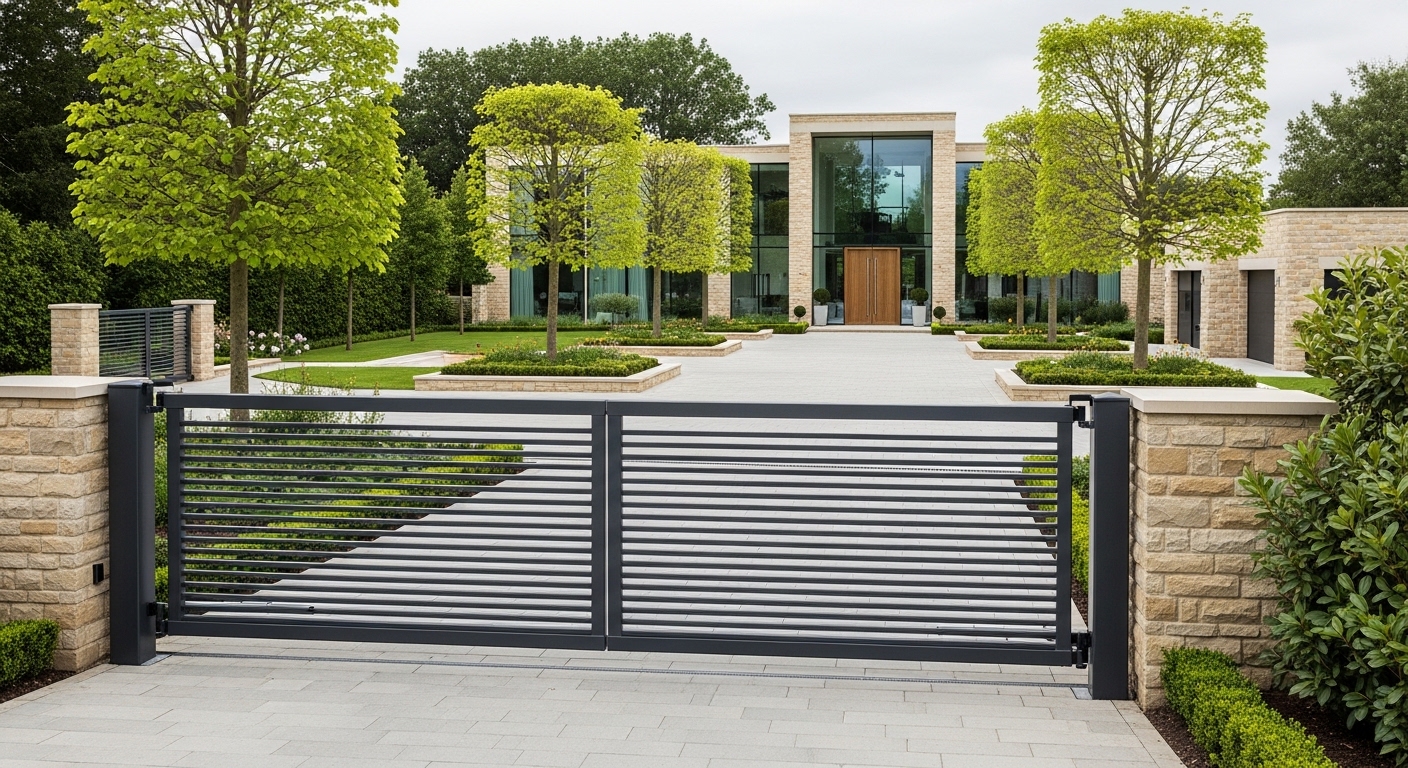
Under England's permitted development rights, you can install a gate, fence, or wall without planning permission provided it does not exceed two metres in height. If your gate fronts a highway used by vehicles, the maximum height drops to one metre. For most London driveways, a standard gate of up to two metres high is perfectly fine without any application.
The gate must open inward onto your property rather than outward into the pavement or road. An outward-opening gate onto a public highway would require planning permission regardless of its height. This is a practical safety rule as much as a planning one, and most reputable installers will raise it automatically.
These permitted development rights apply to houses. If you live in a flat, a maisonette, or any other non-house dwelling, the rules are different and a planning application is more likely to be needed.
Free Matching Service
Ready to get driveway gate quotes?
Get matched with vetted London installers — no obligation, no cost.
Conservation Areas: Where It Gets More Complex
If your property sits within a conservation area, permitted development rights may be significantly restricted. Many London boroughs have Article 4 directions in place within their conservation areas. An Article 4 direction removes certain permitted development rights and requires you to seek full planning permission for works that would otherwise be allowed automatically.
The challenge in London is that Article 4 directions are borough-specific, street-specific, and sometimes even property-specific. A gate that is perfectly fine on one side of a street might need planning permission on the other. Your installer should flag this during the site survey, but it is worth doing your own preliminary check via your borough council's planning portal before you get too far into the design process.
Listed Buildings: Stricter Rules Still

Listed buildings come with the strictest requirements of all. If your home is listed (Grade I, Grade II*, or Grade II), any alteration that affects its character requires listed building consent in addition to any relevant planning permission. This includes new gates, walls, pillars, and even intercom panels or motor housings that attach to the fabric of the building or boundary.
Working without listed building consent where it is required is a criminal offence, not just a civil planning breach. The potential consequences include prosecution, unlimited fines, and a requirement to undo the work entirely at your own cost. If your property is listed, take professional advice before doing anything.
London Borough-Specific Rules
Some London boroughs have supplementary planning guidance that adds local requirements on top of national rules. Boroughs with extensive conservation areas, such as Richmond upon Thames, Kensington and Chelsea, Camden, Islington, and Westminster, tend to have the most detailed and restrictive guidance.
It is worth knowing that some London boroughs have introduced local design codes in recent years that affect front boundaries more broadly, even outside formal conservation areas. Policies around materials, colours, and boundary treatment can vary significantly between boroughs.
Dropped Kerbs and Vehicle Crossovers
If you are installing driveway gates on a new or extended driveway, you may also need a dropped kerb, officially called a vehicle crossover, to legally drive across the pavement. This requires a separate application to your borough council and is entirely separate from the planning permission question for the gate itself.
A dropped kerb application in London typically costs between £1,500 and £3,000, including the council's installation fee and any adjacent footway reinstatement. Processing time varies by borough but is commonly six to twelve weeks.
Party Wall Considerations
If your gate pillars are being built on or close to a shared boundary with a neighbouring property, the Party Wall etc. Act 1996 may apply. You may need to serve a party wall notice on your neighbour before starting construction.
What Your Installer Should Handle
Any experienced London gate installer will check the planning position as part of their free site survey. They should know whether your property is within a conservation area, whether any Article 4 directions apply locally, and whether your proposed design is likely to comply with local character guidelines.
The key message is straightforward: do not assume you need permission, but do not assume you are exempt either. A quick check during the site survey will confirm the position for your specific property and prevent potentially costly complications further down the line.